

Aktualny wykaz certyfikowanych produktów z Przekreślonym Kłosem
Zapraszamy do zapoznania się listą polskich produktów bezglutenowych

Czy Przekreślony Kłos na opakowaniu pomaga Ci w codziennych zakupach?
Podziel się z nami swoją opinią
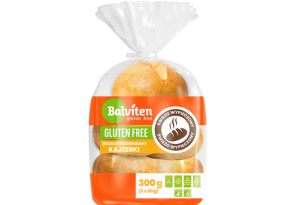
Nowe świeże pieczywo z Przekreślonym Kłosem od Balvitenu
Firma Balviten przygotowała dwie bezglutenowe nowości z Przekreślonym Kłosem. To świeże pieczywo na bazie bezglutenowego owsa: chleb i bułki kajzerki. OATS-PL-048-246 – Świeży chleb na […]
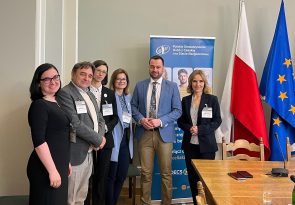
O celiakii i diecie bezglutenowej w Sejmie RP
To był bardzo ważny dzień dla całej bezglutenowej społeczności w Polsce. Jesteśmy po pierwszym posiedzeniu Parlamentarnego Zespołu ds. Celiakii, które odbyło się 24 kwietnia 2024 […]
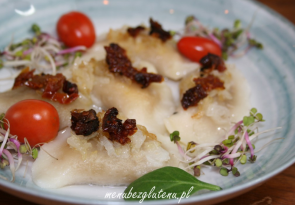
Restauracja Vegefreak z Łomży w MENU BEZ GLUTENU
Restauracja Vegefreak dołączyła do prowadzonego przez nas programu MENU BEZ GLUTENU. Lokal jest kameralny, znajduje się przy ul. Kaznodziejskiej 1A w Łomży. Specjalnością restauracji Vegefreak […]

Wyniki badań na zawartość glutenu – kwiecień 2024
Już od 14 lat w ramach akcji konsumenckiej 2 razy w roku badamy ogólnodostępne produkty oznaczone jako bezglutenowe lub takie, na etykiecie których nie mają […]

Choroby glutenozależne
Sprawdź, czy może Cię dotyczyć trwała lub czasowa nietolerancja glutenu.

Kontakt do dietetyka
Skorzystaj z bezpłatnej pomocy dietetyka Stowarzyszenia.

Dieta bezglutenowa
Kompendium wiedzy na temat życia na diecie bezglutenowej.

Certyfikowane produkty bezglutenowe
Aktualna lista certyfikowanych polskich produktów bezglutenowych z symbolem Przekreślonego Kłosa.
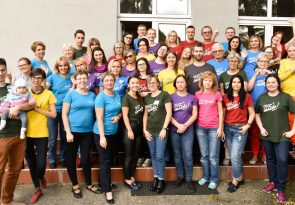
O nas
Razem zmieniamy Polskę w kraj przyjazny osobom na diecie bezglutenowej.
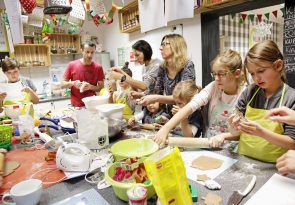
Warsztaty, webinary, imprezy
Sprawdź, jakie wydarzenia organizujemy aktualnie dla osób na diecie bezglutenowej.

Może Cię zainteresować
Nowości na rynku, ciekawe artykuły – zbiór aktualnych informacji dla osób na diecie bezglutenowej.

Zapisz się do Stowarzyszenia
Serdecznie zapraszamy! Część naszej oferty kierujemy tylko do członków Stowarzyszenia.
Zapisz się do Stowarzyszenia
Dlaczego warto należeć do Stowarzyszenia? Zobacz, co otrzymują nasi członkowie.

Deklaracja członkowska
Tutaj znajdziesz informacje o tym, jak się zapisać i otrzymać od nas materiały edukacyjne.

Oferta dla lekarzy i dietetyków
Bezpłatnie wysyłamy materiały na temat celiakii i diety bezglutenowej dla pacjentów.
Dla gastronomii - MENU BEZ GLUTENU
Zapraszamy do współpracy miejsca, które są zainteresowane wprowadzeniem bezpiecznych posiłków dla osób z celiakią.

Dla firm - certyfikacja
Zapraszamy do współpracy producentów żywności, którzy chcą ją oznaczać licencjonowanym symbolem Przekreślonego Kłosa.

Dla mediów
Jesteśmy ekspertem w dziedzinie celiakii i diety bezglutenowej. Zapraszamy do współpracy!
Przekreślony Kłos

Certyfikowane produkty bezglutenowe
Aktualna lista certyfikowanych polskich produktów bezglutenowych ze znakiem Przekreślonego Kłosa.
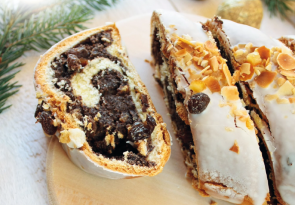
Aktualności ze znakiem Przekreślonego Kłosa
Najświeższe informacje na temat firm i produktów certyfikowanych.

Producenci z licencją
Certyfikacją znakiem Przekreślonego Kłosa w Polsce objętych jest około 80 producentów żywności bezglutenowej.

Jak uzyskać certyfikat
Zapoznaj się z informacjami jak uzyskać znak Przekreślonego Kłosa.
Menu bez glutenu
W Polsce w szybkim tempie rośnie liczba osób, które z powodów zdrowotnych muszą unikać glutenu. Chcąc stołować się poza domem niestety natrafiają na poważną barierę – brakuje miejsc, gdzie mogłyby bezpiecznie zjeść bezglutenowy posiłek. Jest to jeden z większych problemów tej grupy osób, znacznie utrudniający ich codzienne życie.
MENU BEZ GLUTENU to ogólnopolski program informacyjno–edukacyjny prowadzony przez Polskie Stowarzyszenie Osób z Celiakią i na Diecie Bezglutenowej w celu stworzenia bazy i certyfikacji restauracji i kawiarni przyjaznych osobom na diecie bezglutenowej.
Więcej informacji o programie + zgłoś swój lokalOstatnio dodane obiekty, przyjazne dla osób z celiakią.
Restauracja Vegefreak
Kaznodziejska 1A, 18-400 Łomża
Ciacho bez Cukru Suwałki Noniewicza
Ul. Noniewicza 48 lok. IX , 16-400 Suwałki
Fit Cake Suwałki Kościuszki
Tadeusza Kościuszki 64, 16-400 Suwałki
Fit Cake Wrocław Tęczowa
Tęczowa 80/1C, 53-603 Wrocław
Zakręcona Spiżarnia
ul. Trynitarska 6/LU2, 31-061 Kraków
Pensjonat Willa Wzgórze
ul. Cisowa 6, 34-441 Niedzica- Zamek
Fit Cake Słubice
Jedności Robotniczej 4/1, 69-100 Słubice
Fit Cake Olsztyn Jaroty
ul. Hanowskiego 9/49, 10-678 Olsztyn
Fit Cake Gdynia Parkova
ul. Parkowa 1, 81-549 Gdynia
Tu i Teraz Pracownia Terapii i Rozwoju Dziecka
ul. Startowa 3, 60-408 Poznań
Fit Cake Grudziądz
Ul. Pańska 1/1, 86-300 Grudziądz
Fit Cake Radom Śródmieście
Witolda 7 lok. 0.01/0.02, 26-600 Radom
Fit Cake Słupsk
ul. Filmowa 5, 76-200 Słupsk
Fit Cake Kutno
ul. Norberta Barlickiego 22, 99-300 KutnoCiacho bez Cukru Lublin Koralowa
Koralowa 16, 20-583 Lublin
Fit Cake Suwałki Sejneńska
Sejneńska 15 lok. IV, 16-400 Suwałki
Calimero Cafe Konstruktorska
ul. Konstruktorska 7/U1, 02-676 WarszawaCiacho bez cukru Tarnów
ul. Wałowa 36, 33-100 TarnowCalimero Cafe Paderewskiego
ul. Paderewskiego 4c/2, 25-017 Kielce
Fit Cake Białystok
Jurowiecka 11 lokal U3, 15-001 Białystok
Fit Cake Warszawa Ursus
ul. Bohaterów Warszawy 41 lok. 3, 02-495 Warszawa
Fit Cake Nowa Sól
Marszałka Józefa Piłsudskiego 8, 67-100 Nowa Sól
WOLNA – piekarnia bezglutenowa OPOLE
ul. Władysława Reymonta 12, 46-020 Opole
Przedszkole Publiczne nr 72 ALERGUSIE
Al. Solidarności 72 B, 00-145 Warszawa
Fit Cake Płock Podolszyce
Gen. Władysława Sikorskiego 16, 09-410 Płock
Kawiarnia Swawolna
Legionów 28c/1, 87-100 Toruń
Krakowskie Wypieki – Pasaż Kapelanka
ul. Kapelanka 54, 30-347 KrakówKrakowskie Wypieki – Galeria Mozaika
ul. Wielicka 259, 30-663 KrakówKrakowskie Wypieki – C.H. Serenada
al. gen. T. Bora–Komorowskiego 41, 31-876 KrakówKrakowskie Wypieki – Park Handlowy Na Lotnisku
ul. Na Lotnisko 3, 31-801 KrakówKrakowskie Wypieki – Galeria Kazimierz
ul. Podgórska 34, 31-536 KrakówKrakowskie Wypieki – C.H. Nowe Czyżyny
ul. M. Medweckiego 2, 31-870 KrakówKrakowskie Wypieki – C.H. M1 Kraków
Aleja Pokoju 67, 31-580 KrakówKrakowskie Wypieki – Dworzec Główny Kraków
ul. Pawia 5, 31-154 KrakówKrakowskie Wypieki – Galeria Krakowska
ul. Pawia 5, 31-154 KrakówKrakowskie Wypieki – Bonarka City Center
ul. H. Kamieńskiego 11, 30-644 KrakówKrakowskie Wypieki – Galeria Bronowice
ul. Stawowa 61, 31-346 KrakówKrakowskie Wypieki – S-Mall Park Skawina
ul. A. Mickiewicza 113, 32-050 SkawinaKrakowskie Wypieki – C.H. Zakopianka
ul. Zakopiańska 62, 30-418 KrakówKrakowskie Wypieki – Torfowa
ul. Torfowa 3, 30-384 Kraków
Fit Cake Warszawa Targówek
Kondratowicza 27/U8, 03-285 Warszawa
Fit Cake Chojnice
ul. Grobelna 5, 89-600 Chojnice
Fit Cake Warszawa Praga Południe
ul. Gocławska 9 lok. U3, 03-810 Warszawa
Fit Cake Olkusz
ul. Francesco Nullo 29, 32-300 Olkusz
Fit Cake Ostrołęka
Goworowska 37 lok. U2, 07-410 Ostrołęka
Fit Cake Katowice Śródmieście
ul. Kościuszki 34/2, 40-048 Katowice
Zapiekane gluten free bistro
ul. Koletek 7, 31-069 Kraków
Ciacho bez cukru Radom Żeromskiego
Stefana Żeromskiego 46 B, 26-610 RadomCiacho bez cukru Radom Chrobrego
Bolesława Chrobrego 22, 26-615 Radom
Fit Cake Rzeszów Nasz Gaj
Al. Powstańców Warszawy 44/U1, 35-326 Rzeszów
Catering Kasia
Ul. Piesza 1, 51-109 Wrocław
Dom z Widokiem
Smołdziński Las 68, 76-214 Smołdziński Las
Fit Cake Warszawa Wilanów
Aleja Rzeczypospolitej 12/lok. U6, 02-972 Warszawa
MK Sushi
ul. Patriotów 193, 04-858 Warszawa - Radość
A’Favela
Plac Wolności 7, 85-004 Bydgoszcz
Fit Cake Grodzisk Mazowiecki
Ul. Jana Kilińskiego 9/4, 05-825 Grodzisk Mazowiecki
Fit Cake Pruszków
Tadeusza Kościuszki 9/2, 05-800 Pruszków
Fit Cake Chełm
Lubelska 47, 22-100 Chełm
Fit Cake Warszawa Wola
Krochmalna 56/lokal U6 (Browary), 00-864 Warszawa
OTSU Sushi
ul. Wielicka 259, 30-663 Kraków
Terra Nostra
ul. Krośnieńska 52D, 38-430 Miejsce Piastowe
Restauracja Vernus w Hotelu Crocus
Chałubińskiego 40, 34-500 Zakopane
Fit Cake Stargard
ul. Adama Mickiewicza 2, 73-110 Stargard
Fit Cake Koszalin Zwycięstwa
ul. Zwycięstwa 194/1, 75-392 Koszalin
WOLNA Piekarnia Bezglutenowa – Przeźmierowo Market
Rynkowa 156, 62-081 Przeźmierowo
Fit Cake Kraków Nowa Huta
os. Centrum C-6, 31-930 Kraków
Catering Rettman
ul. Różana 5/9, 53-226 Wrocław
Fit Cake Dzierżoniów
ul. Spacerowa 5b/1, 58-200 Dzierżoniów
Fit Cake Gdynia Pogórze
ul. Mickiewicza 20, 81-198 Gdynia - Pogórze
Horyzonty Smaku
Szpacz a 8a , 51-415 Wrocław
Fit Cake Warszawa Rembertów
Al. Gen. Antoniego Chruściela "Montera" 40, 04-401 Warszawa
Fit Cake Płock Centrum
ul. Sienkiewicza 67/6, 09-400 Płock
Gateau – Paryska Chwila Przyjemności
ul. Powstańców Śląskich 16, 44-200 Rybnik
Fit Cake Warszawa Żoliborz
Pl. Czesława Niemena 1/U5 (obok pizzerii San Giovanni), 01-748 Warszawa
Piekarnia Chleb z natury
ul. Klonowa 1/8, 80-246 Gdańsk
O matko z córką – piekarnia bezglutenowa ul. Francuska
Francuska 25, 03-906 Warszawa
Trattoria Sano
Al. Grunwaldzka 415, 80-309 Gdańsk
Coś Innego – bezglutenowy food truck
ul. Bałtycka 9, 78-132 Grzybowo
Fit Cake Gorzów Wielkopolski Śródmieście
ul. Mieszka I 69/2, 66-400 Gorzów Wielkopolski
Pizza Naturalna – punkt odbioru
ul. Lechicka 70, 61-619 Poznań
Przedszkole nr 434 „Na Górce”
ul. 1 Praskiego Pułku 116, 05-077 Warszawa
Fit Cake Wrocław Stare Miasto
Piłsudskiego 89a , 50-019 WrocławCiacho bez cukru Legnica
Chojnowska 7, 59-220 Legnica
Bambini Przedszkole Montessori ul. Wołyńska
ul. Wołyńska 8, 60-616 PoznańWOLNA Piekarnia Bezglutenowa – Komorniki Market
Ul. Młyńska 24, 62-052 KomornikiCiacho bez cukru Lublin Kościuszki
ul. Tadeusza Kościuszki 3, 20-400 LublinCiacho bez cukru Lublin Zana
ul. Tomasza Zana 32B, 20-601 Lublin
Wolna Piekarnia Bezglutenowa – Wrocław
Tadeusza Kościuszki 105, 50-442 WrocławO matko z córką – piekarnia bezglutenowa ul. Kłobucka
Kłobucka 8 (bliżej ul. Złoty Potok) , 02-699 Warszawa
Soodi Pierogarnia
Jurowiecka 19 lok. 1, 15-101 Białystok
Fit Cake Niepołomice
ul. Tadeusza Kościuszki 4a, 32-005 Niepołomice
Fit Cake Gdańsk Jasień
ul. Damroki 33a/e, 80-177 Gdańsk
Fit Cake Gdynia Śródmieście
ul. Świętojańska 65, 81-391 Gdynia
Fit Cake Częstochowa Śródmieście
Al. Najświętszej Maryi Panny 49/3, 42-217 Częstochowa
Fit Cake Toruń
Ul. Joachima Lelewela 33 Centrum Handlowe Galeria Wnętrz AMC, 87-100 Toruń
Fit Cake Kołobrzeg Starówka
Mariacka 24A, 78-100 Kołobrzeg
BEZ Piekarnia Bezglutenowa Warszawa
ul. Nowy Świat 64, 00-496 Warszawa
Fit Cake Kraków Karmelicka
ul. Karmelicka 68 a, 31-128 Kraków
Ostoja Garden
Brody 677, 34-130 Brody
Zdrowazupa.pl
ul. Wincentego Stysia 45, 53-525 Wrocław
Fit Cake Poznań Grunwald
ul. Limanowskiego 5, 60-743 Poznań
Fit Cake Olsztyn Starówka
ul. Piastowska 14/15 , 10-023 Olsztyn
Pracownia Wypieków
ul. Żwirki i Wigury 4a/4, 80-463 Gdańsk
Fit Cake Zielona Góra Kupiecka
ul. Kupiecka 93/2, 65-058 Zielona Góra
Manufaktura Chleba
ul. Wincentego Stysia 45, 53-525 Wrocław
Fit Cake Piaseczno
Kościuszki 19, 05-500 Piaseczno
RAJ – pizza, ludzie, wino
ul. Jana Kilińskiego 12 lok. 1U, 15-089 Białystok
Fit Cake Warszawa Ursynów
Al. KEN 97 lok. U7, 02-784 Warszawa
Wypiekarnia Lady Baker
ul. Śląska 40/2, 70-432 Szczecin
Fit Cake Gdańsk Dmowskiego
ul. Romana Dmowskiego 4/14, 80-243 Gdańsk
Bezglutenowa Anula
ul. Targowa 1B, 19-300 Ełk
Hotel Holimo
Stara Morawa 11a, 57-550 Stronie Śląskie
Kapitan Cook Catering
ul. Rejtana 12A, 62-030 Luboń
Kuchnia cateringowa Evmont
ul. Józefa Sawy-Calińskiego 12, 31-988 Kraków
U Królika
ul. Słonimskiego 6U/12, 80-280 Gdańsk
Sweet Fit & Eat
ul. Legionowa 30/6, 15-281 Białystok
Villa Karpacz
ul. Marii Curie-Skłodowskiej 9A, 58-540 Karpacz
Kafej cukiernia wegańska
Wąska 1, 60-859 Poznań
NEWIN słodycz pełna troski
ul. Żeglarska 4/u6, 11-500 Giżycko
Vaniliowa Cukiernia Bezglutenowa
Plac Margaretek, 62-080 Tarnowo PodgóneWOLNA Piekarnia Bezglutenowa – Poznań
ul. Piątkowska 70, 60-649 Poznań
Restauracja&Pub Atmosfera
ul. Żeromskiego 17, 48-100 Głubczyce
Pracownia na Kole
ul. Ożarowska 61, 01-416 Warszawa
Wypiekarnia Smaku
ul. Kościelna 32, 62-081 Przeźmierowo
BEZ Piekarnia Bezglutenowa Łódź
ul. Piotrkowska 291, 93-004 Łódź
Niepubliczne, Integracyjne Wolne Przedszkole
ul. Żołny 24F, 02-001 Warszawa
La Cantina
ul. Nowy Świat 64, 00-357 Warszawa
Bistro & Delikatesy ATELIER SMAKU
ul. Bytomska 36, 81-509 Gdynia
Bistro Jaglana
Al. Piastów 75, 70-326 Szczecin
Zakręcona Kawiarenka
ul. Trynitarska 6, 31-061 Kraków
Tu i Teraz Burger & Cake
ul. Powstańców Śląskich 24 , 44-200 Rybnik
Catering DGES
ul. Złota 61/100, 00-819 Warszawa
Piekarnia Bezglutenowe domowe
Feliksa Nowowiejskiego 5B, 20-880 Lublin
BEZ Piekarnia Bezglutenowa Kraków
ul. Józefa Dietla 36, 31-070 Kraków
Placek
ul. Dworcowa 8, 40-012 KatowicePizzeria Pizza Naturalna ul. Hetmańska
ul. Hetmańska 26/2 (wejście od Jarochowskiego), 60-252 Poznań
Piekarnia POCHLEB
ul. Taczaka 4a, 61-819 Poznań
The Chef House
ul. Obrzeżna 3, 02-691 Warszawa
Ośrodek Agroturystyczny Uroczysko Michałów
Wola Stępowska 55, 99-412 Kiernozia
Restauracja Kassandra
ul. Porucznika Kazimierza Ogrodowskiego 23, 44-203 Rybnik
Kawiarnia Sorrir Superfood Poznań
ul. Ratajczaka 18 D “Pasaż Apollo”, 61-815 PoznańRestauracja i Bar Holimo
Stara Morawa 11a, 57-550 Stronie Śląskie
Restauracja Kulisy w Hotelu Falcon
ul. Jastrzębia 29, 35-207 Rzeszów
Kawiarnia Sorrir Superfood Wrocław
ul. Kotlarska 25, 50-120 Wrocław
Catering Kanzeon
Al. Aleksandra Brücknera 10, 50-001 Wrocław
Cukiernia Podwieczorek Bez Glutenu
ul. Chełmońskiego 5, 60-753 Poznań
Publiczne Przedszkole nr 5 KOLOROWE KREDKI
Obory 22, 05-520 Konstancin - Jeziorna
Gościniec Bocianowo
Stręgiel 2, 11-600 Stręgiel
Uroczysko Deresze
Giławy 73, 11-030 Purda
Przedszkole “Strumienie”
ul. 3 Maja 129 , 05- 420 Józefów
Hotel Pod Jedlami
ul. Beskidzka 17, 43-460 Wisła
Catering Kukuła
ul. Jagiellońska 55, 83-110 Tczew
Bar Dobrze
Pl. Chrobrego 32, 57-300 Kłodzko
Hotel Crocus
ul. Chałubińskiego 40, 34-500 Zakopane
Manufaktura Słodyczy & Kawiarnia Magia Karmelu
ul. Mickiewicza 1, 25-532 Kielce
BEZ Piekarnia Bezglutenowa Poznań
ul. Romka Strzałkowskiego 19, 60-850 Poznań
Hotel Patio
ul. Kiełbaśnicza 25, 50-110 Wrocław
Restauracja Taaka ryba
ul. Leśna 15, 44-295 Sumina
Zdrowa Micha
Juliana Tuwima 1/LOK2, 15-746 Białystok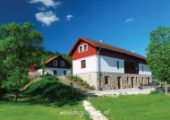
Willa Wzgórze Poręba
Poręba 26a, 57-520 Poręba, Długopole Zdrój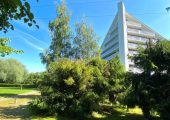
Ośrodek Magnolia – Sanatorium
ul. Szpitalna 15, 43-450 Ustroń
Pensjonat Moje Tatry
ul. Krajowe 20, 34-425 Biały Dunajec
Ciuciu Cukier Artist – Manufaktura Cukierków Zakopane
ul. Krupówki 11, 34-500 Zakopane
Hotel i Restauracja Kaukaska
ul. Poniatowskiego 19, 64-200 Wolsztyn
Przedszkole Samorządowe nr 36 w Białymstoku
ul. Świętego Mikołaja 9, 15-419 Białystok
Gospodarstwo Agroturystyczne Millerówka
Kamionka Mała 132, 34-602 Laskowa
Pensjonat Pod Dobrym Aniołem
Krzywonoga 9a, 12-130 Pasym
Manufaktura Cukierków Toruń (ręcznie robione cukierki)
ul. Szeroka 33, 87-100 Toruń
Sushi Wesoła
ul. Wspólna 37a, 05-075 Wesoła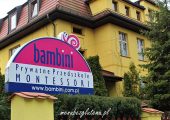
Bambini Przedszkole Montessori ul. Mazowiecka
ul. Mazowiecka 6, 60-617 Poznań
Wiesz co Zjesz
Pl. Konstytucji 1, 00-647 Warszawa
MPG Studio Catering
ul. Warzywna 4, 91-231 Łódź
Catering dietetyczny Jarmuż
ul. Suwak 4, 02-676 Warszawa
Pensjonat Amelia
ul. Kulczyńskiego 2, 38-440 Iwonicz Zdrój
Restauracja Kochanówka
ul. Kochanowskiego 9, 08-110 Siedlce
Ciuciu Cukier Artist – Manufaktura Cukierków Kraków
ul. Grodzka 38, 31-044 Kraków
Calimero Café
ul. Solna 4, 25-006 Kielce
Restauracja i lodziarnia Bella Vita
ul. Rynek Kościuszki 22, 15-426 Białystok
Catering Eatfit24.pl
ul. Marka Kotańskiego 6, 10-166 Olsztyn
Ośrodek Long Vita
- -, 83-324 Brodnica Górna
Eko Resort & Natural SPA Łubinowe Wzgórze
Łąki 45a, 24-160 Nałęczów
Restauracja i Hotel Uroczysko Siedmiu Stawów
Gola Dzierżoniowska 21, 58-217 Niemcza
Hotel Pieniny
ul. Kanada 38, 34-441 Niedzica
Dom wypoczynkowy Pod Taborem
Os. Pod Taborem 2, 34-441 Niedzica
Restauracja Mesa
ul. Wyzwolenia 4J, 78-131 Dźwirzyno
Catering Zdrowe dzieciaki
ul. Wojska Polskiego 3, 05-126 Nieporęt
Manufaktura cukierków Warszawa (ręcznie robione cukierki)
ul. Nowy Świat 51, 00-029 Warszawa
Gospoda u Wiedźmy
- 228, 39-220 Pilzno-Lipiny
Bistro Groole – Pieczone Ziemniaki
ul. Śniadeckich 8, 00-656 Warszawa
Restauracja Pod Baranem
Św. Gertrudy 21, 31-100 KrakówMusisz mieć włączone ustalanie pozycji GPS, aby móc w pełni korzystać z mapy